
•Location : Kpadapé, a village within the Kpadapé district, part of the Kloto 1 commune (capital : Kpalimé). It is located in the Kloto Prefecture, southwest of the Plateaux Region, 130 km from Lomé.
•Project Beneficiaries: Approximately 9,500 inhabitants in 2025, reaching nearly 14,000 by 2045.
•Project Duration: 10 months.
𝐏𝐫𝐨𝐣𝐞𝐜𝐭 𝐒𝐭𝐚𝐤𝐞𝐡𝐨𝐥𝐝𝐞𝐫𝐬
•Contracting Authority: The Commune of Kpalimé Kloto 1.
•Project Manager: Hydraulique Sans Frontières (HSF).
•Local Partner: The NGO ALAFIA.
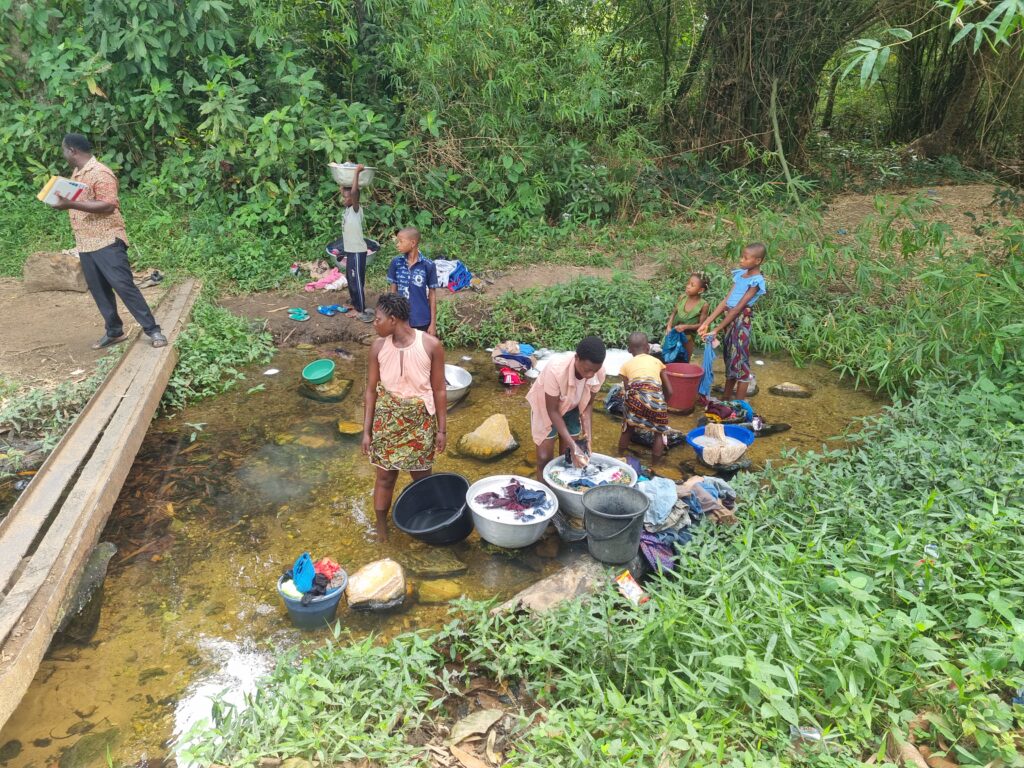
In Kpadapé, according to government health services, one of the primary causes of illness is the consumption of contaminated river water and the lack of sanitation systems. The most frequent diseases in the village are malaria, dysentery, and diarrhea.
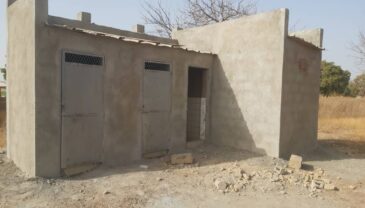
Regarding water access, the village relies on two rivers, a few wells, and a small water supply system (AEP) that is no longer operational. For sanitation, there are very few public latrines and only a handful of private ones.
•𝐆𝐞𝐧𝐞𝐫𝐚𝐥 𝐎𝐛𝐣𝐞𝐜𝐭𝐢𝐯𝐞: To improve the living conditions of the beneficiary populations.
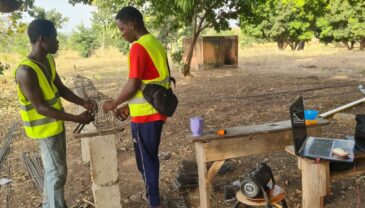
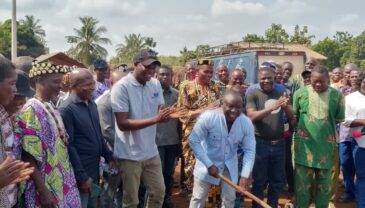
The overall project will consist of two phases: a study phase followed by a construction phase. This study project will cover 4 villages where the following activities will be conducted:
1. Literature review (research of existing documentation).
2. Geo-referenced inventory of all boreholes and wells, including piezometric measurements.
3. Investigations of specific boreholes and wells: pumping tests, water quality analysis, camera inspections, diagnostics, etc.
4. Hydrological study of a spring and two rivers, including water analysis.
5. Audit of existing infrastructure: the Rotary Club’s mini-water supply system and the Gbalavé water tower.
6. Water resource assessment and, if necessary, additional geophysical surveys.
7. Sizing and design of the water supply network (AEP) that will serve the 4 villages.
8. Topographic survey of the future network route.
9. Socio-sanitary diagnosis of household water and sanitation practices.
10. Audit of current water service management to define the future institutional framework.
11. Sanitation study to determine the most suitable type of infrastructure, aligned with local needs and future fecal sludge management.
The goal is to complete these studies to establish a preliminary design (APS) of the infrastructure required to meet the drinking water and sanitation needs of the beneficiaries.
This study will also provide a framework for establishing efficient management systems and designing future construction, training, and awareness programs to effectively address the hygiene and sanitation issues identified during the surveys.